

The Future of Motorcycles?
For decades, the motorcycle world seemed relatively predictable. Bigger engines were better, superbikes needed four cylinders, cruisers ruled North America, and young riders naturally graduated from dirt bikes to sport bikes and eventually to touring machines. Today, nearly every one of those assumptions is being challenged.
The motorcycle industry is not disappearing, but it is changing dramatically. In fact, many of the trends currently shaping the market are less about motorcycles themselves and more about economics, demographics, technology, insurance costs, urbanization, and changing recreational habits.

The Great Shift Toward Smaller Motorcycles
Across Europe, Asia, and many developing nations, there has been a significant movement toward motorcycles in the 300cc to 500cc range. Manufacturers such as Honda, Yamaha, KTM, Kawasaki, CFMOTO, Royal Enfield, and Triumph have heavily invested in smaller displacement platforms because they are less expensive to purchase, less expensive to insure, more fuel efficient, and easier for new riders to operate.
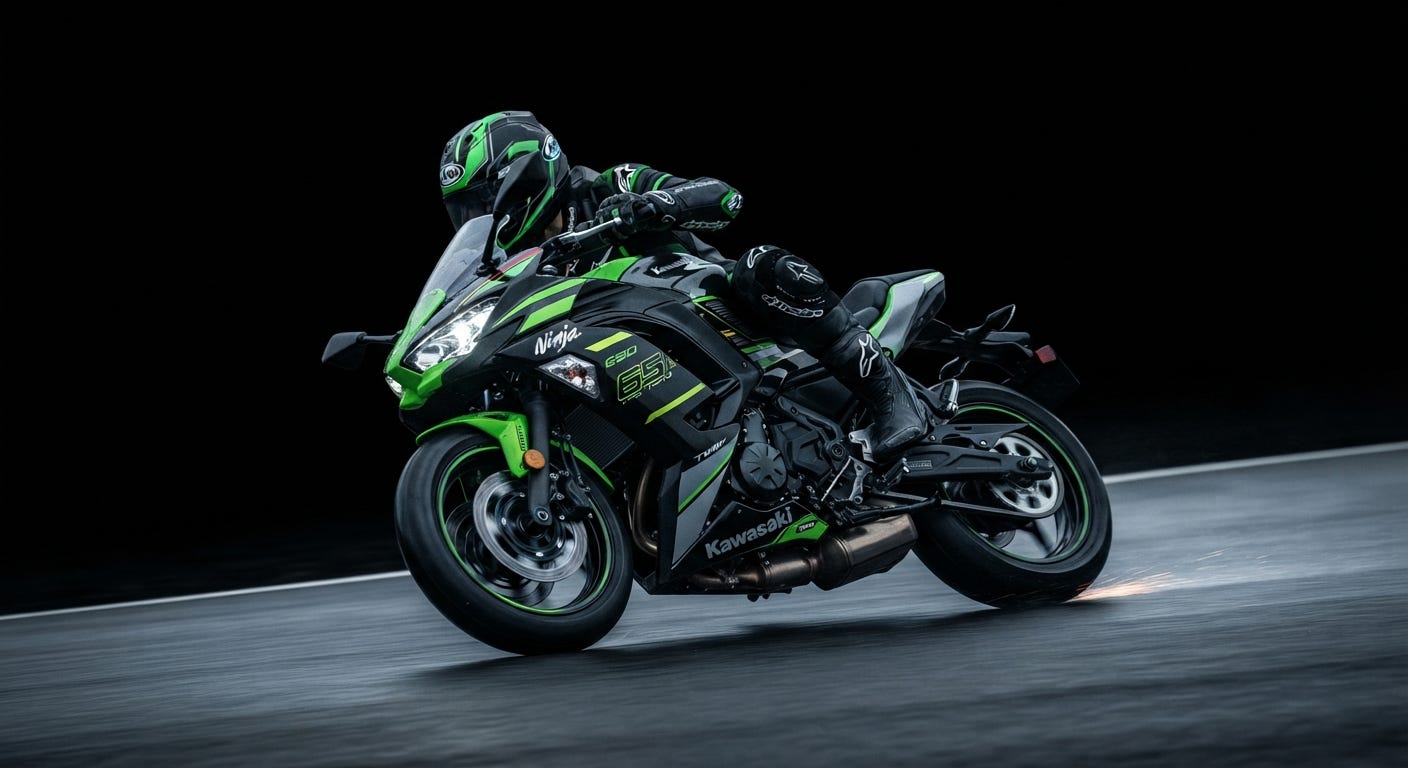
The numbers support the trend. The largest motorcycle growth segments globally are now under 400cc, while larger displacement touring and cruiser segments have generally softened. Even in the United States, the Motorcycle Industry Council reported that many of the strongest-performing segments in 2025 were smaller and middleweight motorcycles, while traditional big touring and cruiser models continued to decline. Sport bike sales actually increased, but the growth came almost entirely from machines under 750cc.
Europe has been leading this shift for years due to licensing restrictions, emissions regulations, urban congestion, and rising fuel costs. Riders increasingly see motorcycles as practical transportation rather than purely recreational toys.
Why North America Still Loves Big Bikes
Canada and the United States remain unique.
While smaller motorcycles are growing in popularity, North American riders still have a deep cultural connection to large-displacement motorcycles, particularly cruisers, baggers, touring bikes, large adventure motorcycles, and high-performance machines like the Suzuki Hayabusa, Kawasaki ZX-14R, BMW R1300GS, and Harley-Davidson touring lineup.
Part of this comes from geography. European riders may commute through crowded cities and ride short distances. North American riders often travel hundreds or thousands of kilometers on open highways where a larger motorcycle is more comfortable.
There is also a cultural factor. In North America, motorcycles remain closely tied to recreation, freedom, customization, and lifestyle. In many parts of Europe and Asia they are simply transportation.
The End of the Four-Cylinder Sport Bike Era?
Not entirely, but the market is definitely changing.
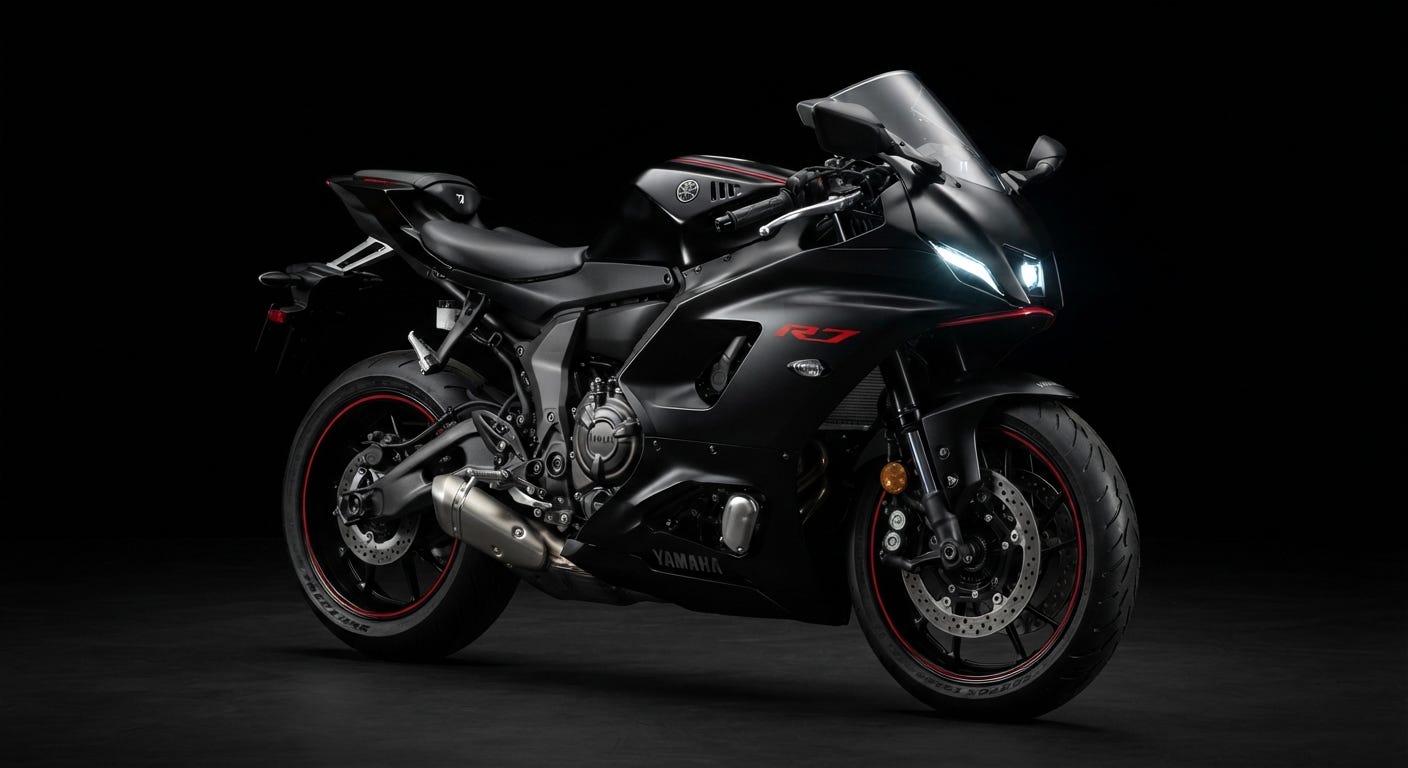
For nearly forty years, the inline-four reigned supreme. Bikes such as the GSX-R, CBR, Ninja, and YZF-R series became icons. Today, emissions regulations and manufacturing costs are pushing manufacturers toward twins and triples.
Yamaha’s CP3 triple, KTM’s parallel twins, Aprilia’s twins, and Triumph’s triples offer excellent performance with lower emissions and lower production costs.
Young riders also appear less obsessed with outright horsepower. A 150-horsepower motorcycle that can be enjoyed on public roads is often considered more practical than a 220-horsepower superbike that can rarely be fully utilized.
The liter-bike segment isn’t disappearing, but it is increasingly becoming a niche product rather than the center of the sport bike universe.
Are Motorcycle Sales Really Declining?
The answer depends on where you look.
The U.S. motorcycle market experienced notable declines in 2024 and 2025, with 2025 sales down roughly 7.6% according to industry reports. Economic uncertainty, inflation, high interest rates, and financing costs all contributed to the slowdown.
Europe also experienced a downturn in 2025, although many analysts attribute part of that decline to market adjustments following Euro5+ emissions regulations. Despite the correction, European motorcycle registrations remain above pre-pandemic levels.
Australia has shown relatively stable performance. Motorcycle sales slipped only slightly in 2025, while scooter sales actually increased.
Globally, however, motorcycles remain enormously important. Asia continues to dominate worldwide sales and accounts for the overwhelming majority of motorcycle volume.
Is Motorcycle Customizing Dying?
Absolutely not.
What is dying is one particular style of customization.
The chopper boom of the early 2000s has faded. The television-driven era of ultra-expensive custom builds no longer dominates motorcycle culture. But customization itself is arguably stronger than ever.
Today’s customization looks different:
Adventure bike modifications
Performance turbo and supercharger builds
Track-day sport bike setups
Scramblers and retro customs
Overlanding motorcycles
ECU tuning
Suspension upgrades
Electronic rider aids
Custom wraps and graphics
Social media has also changed everything. Riders now build motorcycles for Instagram, YouTube, TikTok, and enthusiast forums rather than custom bike shows.
The custom culture is evolving, not disappearing.
Is There a Generational Gap?
Yes, and it is significant.
Baby Boomers and Gen X riders largely grew up with motorcycles being aspirational products. Motorcycles represented freedom and rebellion.
Today’s younger consumers face different realities:
Higher housing costs
Higher insurance rates
Expensive licensing requirements
Student debt
Urban living
Alternative hobbies such as gaming and digital entertainment
Many younger riders simply cannot justify spending $25,000-$40,000 on a motorcycle.
This explains why manufacturers are racing to introduce affordable bikes between 300cc and 700cc.
The Surprising Return of Scooters
Scooters may be one of motorcycling’s biggest comeback stories.
In Europe, scooters have remained popular for decades. In Australia, scooter sales increased during 2025 despite broader market weakness.
As cities become more congested and fuel prices remain volatile, scooters are beginning to make sense again.
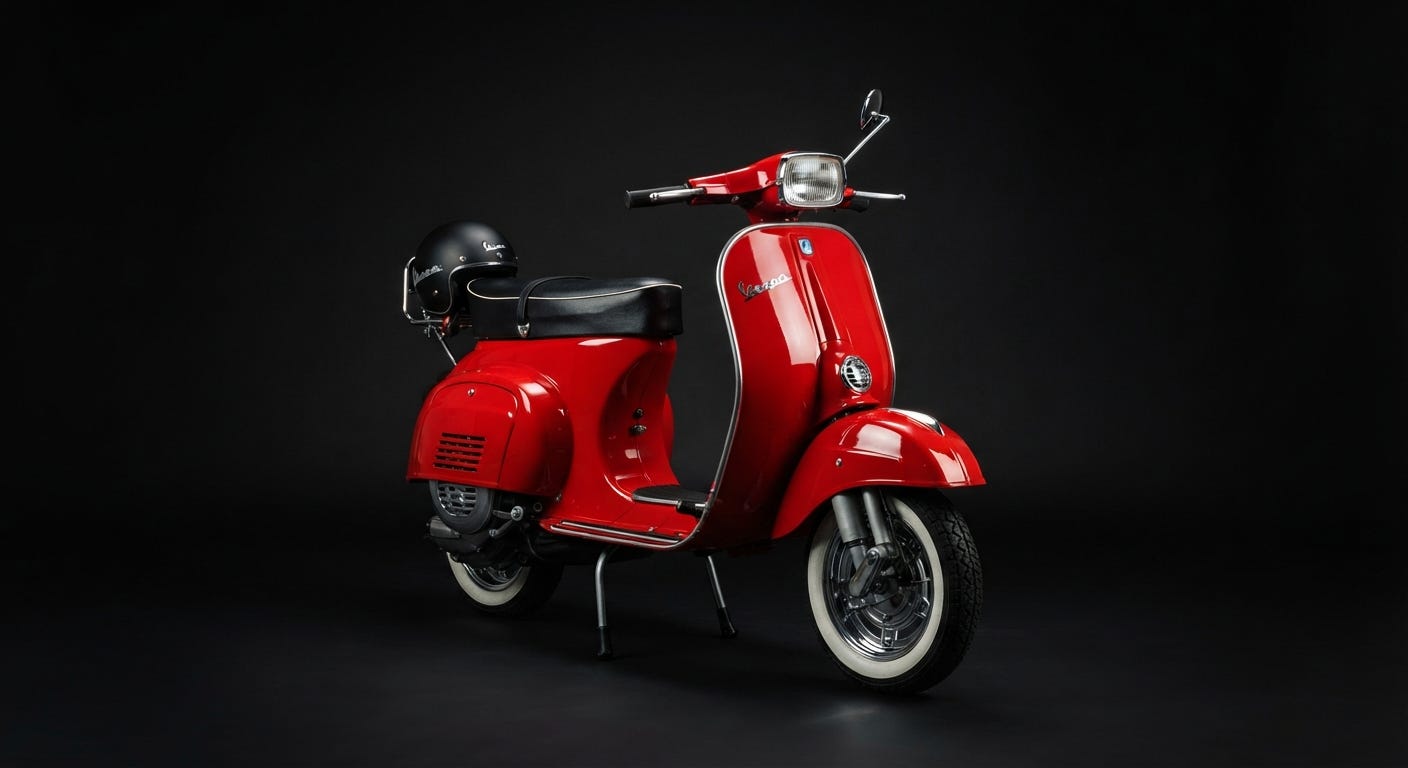
Many younger riders are discovering that a scooter is cheaper to purchase, cheaper to insure, easier to park, and far more practical than a car.
The Electric Revolution Nobody Predicted
One of the biggest surprises of the last few years has been the difference between electric motorcycles and electric bicycles.
High-performance electric motorcycles generated tremendous excitement. Companies like Zero, Energica, Harley-Davidson’s LiveWire division, and others promised a revolution.
Yet mainstream riders have been slow to adopt them.
Reasons include:
High purchase prices
Limited range
Charging concerns
Rapid depreciation
Lack of emotional engine character
Meanwhile, electric bicycles exploded.
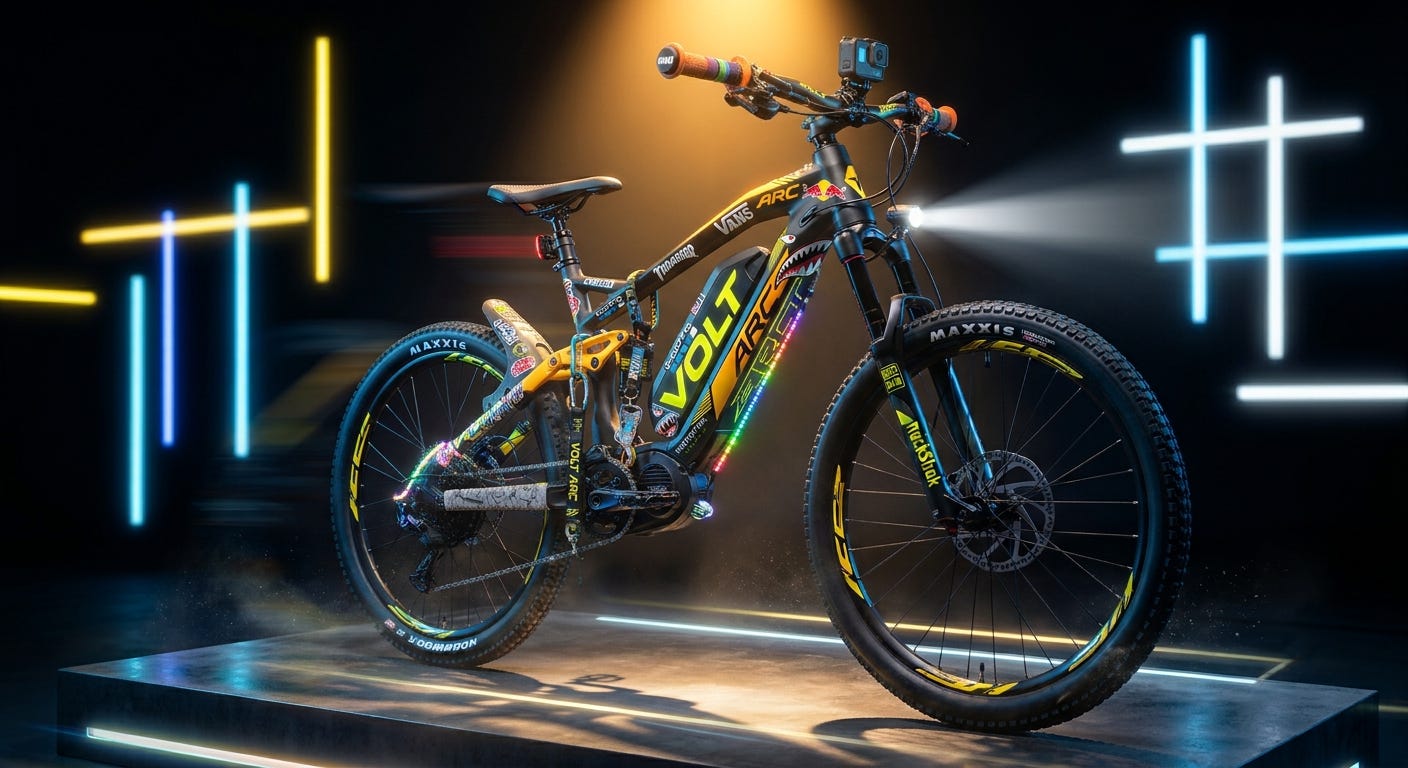
Young people have embraced electric pedal-assist bicycles and lightweight electric dirt-bike-style machines because they often avoid licensing requirements, insurance costs, and registration fees.
An entire tuning culture has emerged around these vehicles. Riders modify controllers, batteries, and software to dramatically increase speed and performance.
Ironically, the biggest electric two-wheel revolution may not be the electric motorcycle at all. It may be the electric bicycle.
Insurance and Ownership Costs
Canadian riders are feeling substantial pressure from insurance increases, especially in Ontario. High-performance motorcycles can often carry insurance costs rivaling vehicle payments.
The United States generally remains less expensive than Canada for motorcycle insurance, although rates vary dramatically by state, rider age, and motorcycle type.
For many younger potential riders, insurance is becoming one of the biggest barriers to entry.
This issue alone is helping drive demand for smaller motorcycles, scooters, and e-bikes.

Looking Ahead
The motorcycle industry of 2027 will likely look very different than the industry many riders imagined ten years ago.
Expect to see:
Continued growth of 300cc-700cc motorcycles
Increased popularity of adventure motorcycles
More parallel twins and triples replacing four-cylinders
Gradual growth of electric motorcycles, particularly urban models
Explosive growth of e-bikes and light electric mobility
Stronger scooter sales in urban markets
Continued decline of traditional heavyweight cruiser segments
More technology, connectivity, and rider aids
Increased customization focused on performance and electronics
The motorcycle industry is not shrinking so much as it is reinventing itself.
The future rider may not be aboard a chrome-laden V-twin or a screaming 1,000cc superbike. Instead, they may be riding a customized 450cc adventure bike, a turbocharged middleweight sport bike, an electric urban commuter, or even a modified e-bike.
The machines are changing. The culture is changing. But the desire for two-wheeled freedom remains exactly the same. That fundamental passion has survived every technological shift of the past century, and there is little reason to believe it won’t survive the next one as well.