

Trail bikes remain the backbone of recreational off‑road riding, designed as adaptable all‑terrain machines capable of navigating forests, mountain paths, fire roads, and rugged countryside without the intensity or specialization of competition‑focused bikes. They offer predictable handling, moderate suspension travel, and user‑friendly power, making them ideal for beginners and seasoned explorers alike.
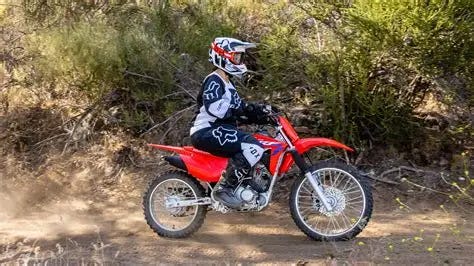
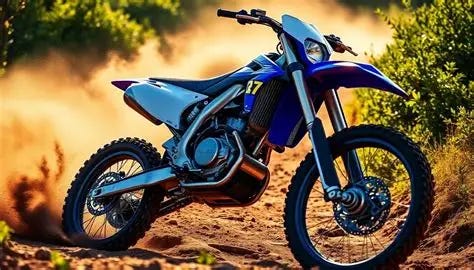
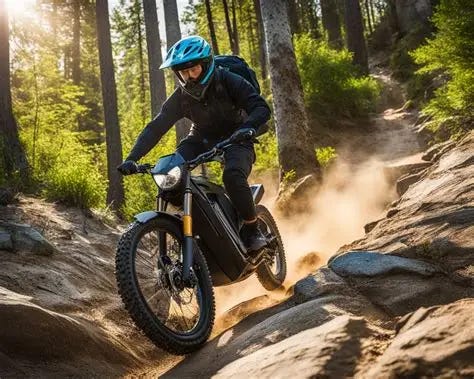
Motocross (MX) bikes, by contrast, are purpose‑built for closed‑course racing, featuring high‑revving engines, stiff suspension, lightweight frames, and aggressive ergonomics that allow riders to attack jumps, berms, and rhythm sections with precision. Their explosive power delivery and razor‑sharp handling make them thrilling but demanding machines, best suited for competitive environments rather than casual trail exploration.
Enduro bikes bridge the gap between trail and motocross, engineered for long‑distance off‑road competition across technical terrain, steep climbs, rocky sections, and unpredictable natural obstacles. They typically feature broader gear ratios, more compliant suspension, larger fuel tanks, and engines tuned for tractable torque rather than pure peak horsepower.
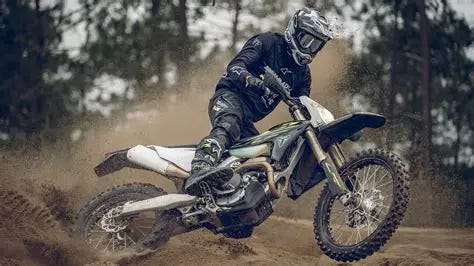
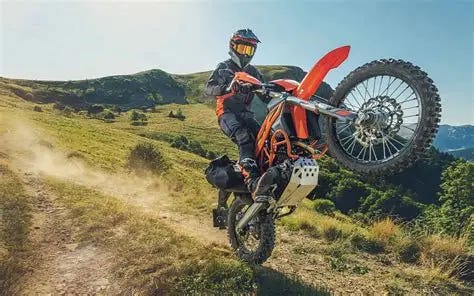
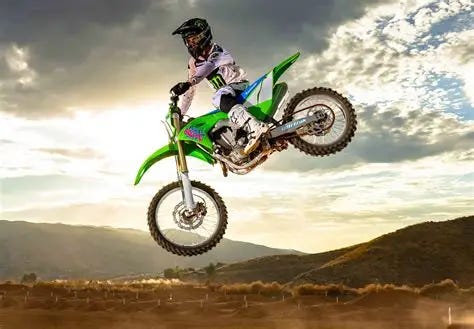
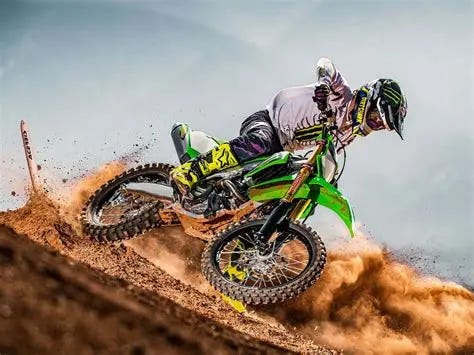
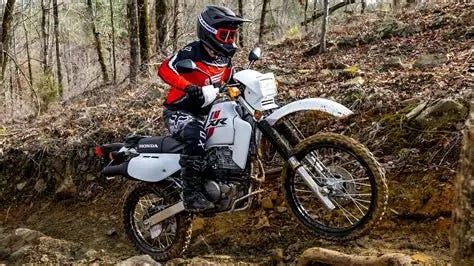
Dual‑sport motorcycles extend this versatility further by being fully street‑legal while retaining genuine off‑road capability. Riders can commute during the week and explore trails on weekends without switching machines, making dual‑sports one of the most practical categories for everyday riders who want freedom beyond pavement. Their balance of durability, simplicity, and multi‑surface performance has made them extremely popular in both urban and rural regions.
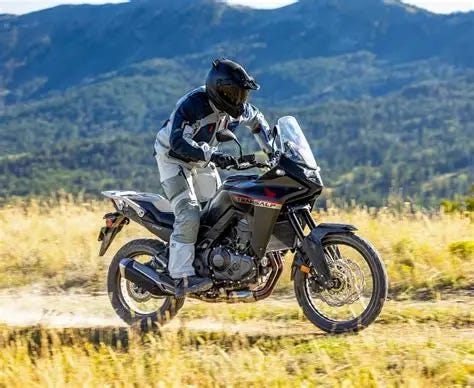
Adventure bikes represent the long‑distance, high‑capability evolution of dual‑sports, offering larger engines, advanced electronics, long‑travel suspension, and ergonomic comfort for cross‑country touring, gravel exploration, and international travel. They are designed to carry luggage, navigate remote terrain, and maintain highway stability, making them the preferred choice for riders who want to travel thousands of kilometers across mixed surfaces.
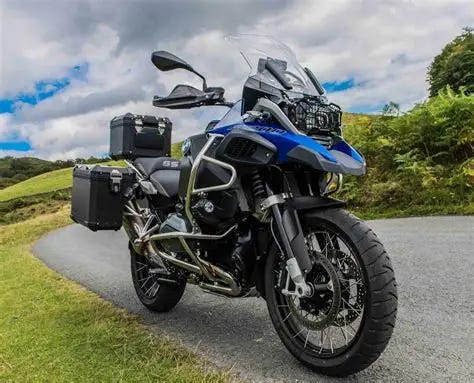
Supermoto bikes take off‑road platforms and adapt them for urban performance, combining dirt‑bike agility with street‑focused wheels, tires, and brakes. Their lightweight feel, upright stance, and explosive acceleration make them perfect for city riding, tight backroads, and stunt‑style maneuverability.
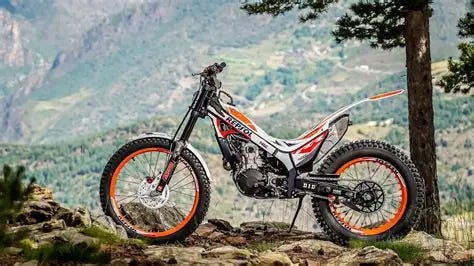
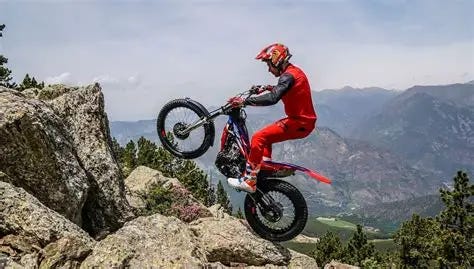
Trials bikes are the most specialized of all, built for precision balance, slow‑speed control, and technical obstacle navigation rather than speed. With ultra‑light frames, minimal seats, and torquey engines, trials machines allow riders to climb boulders, hop logs, and perform gravity‑defying maneuvers that showcase pure skill.
Hill‑climb bikes, meanwhile, are engineered for maximum traction and torque to conquer steep inclines and loose terrain, often featuring extended swingarms, specialized gearing, and powerful engines tuned for explosive upward acceleration.
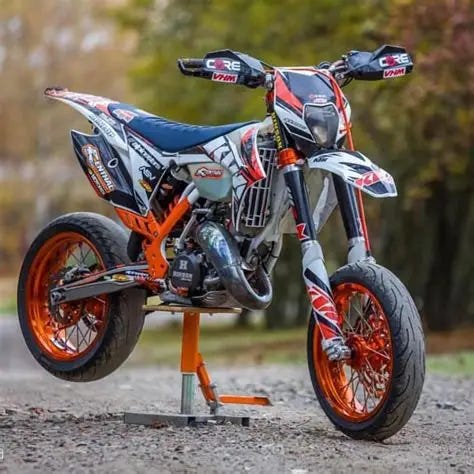
Beyond these off‑road and hybrid categories, the market also includes small, sporty urban motorcycles, lightweight machines designed for commuting, weekend rides, and country‑road fun. These bikes emphasize nimble handling, fuel efficiency, and affordability, making them ideal for new riders, city dwellers, and anyone who wants a playful machine without the size or cost of a full‑sized sport bike. Their popularity has surged as younger riders seek approachable, stylish, and economical options for everyday mobility.
The market for off‑road, dual‑sport, and adventure motorcycles has grown significantly over the past decade, driven by several key trends: riders seeking outdoor recreation, increased interest in motorsports, the rise of adventure travel, and a cultural shift toward experiences rather than possessions.
Manufacturers have responded with more models, improved technology, and broader price ranges, making these bikes accessible to a wider audience. Industry data shows steady year‑over‑year growth in off‑road and adventure segments across North America, Europe, and Australia, with dual‑sports and lightweight adventure bikes seeing particularly strong demand.
In Canada, especially regions like Ontario and British Columbia off‑road and dual‑sport registrations have increased as riders look for machines that can handle both city streets and rural trails.
Brand leadership varies by category, but several manufacturers consistently dominate.
KTM is widely regarded as the global leader in off‑road performance, excelling in motocross, enduro, and adventure segments with race‑proven engineering and aggressive innovation. Their EXC, SX, and Adventure lines are benchmarks in their respective classes.
Yamaha maintains strong market presence with its WR, YZ, and Tenere models, known for reliability, balanced performance, and broad rider appeal.
Honda remains a powerhouse in dual‑sport and trail categories with the CRF series, offering bulletproof durability and user‑friendly design that appeals to beginners and veterans alike.
Suzuki continues to be a favorite among dual‑sport riders thanks to the legendary DR‑Z400 and DR650 platforms, which remain some of the most dependable and versatile machines ever produced.
Kawasaki contributes strong contenders in trail and dual‑sport segments with the KLX and KLR lines, while Beta, Husqvarna, GasGas, and Sherco have gained traction among performance‑focused off‑road enthusiasts seeking premium European engineering.
In the adventure category, BMW, Triumph, and Ducati also play major roles, offering technologically advanced long‑distance machines that appeal to touring‑oriented riders.
Overall, the off‑road, dual‑sport, and lightweight adventure motorcycle market continues to grow, driven by riders who want freedom, versatility, and the ability to explore both pavement and wilderness.
Whether someone is carving single‑track trails, racing motocross, tackling enduro challenges, commuting through the city, or traveling across the country, today’s motorcycle landscape offers more choices, more capability, and more innovation than ever before.
Addendum: Chinese and Electric Options
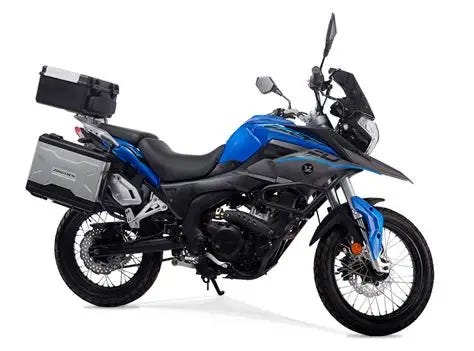
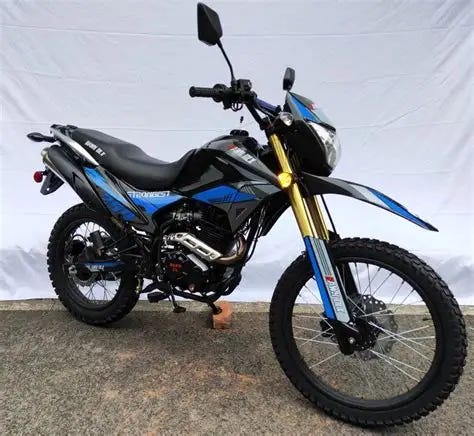
Trail and off‑road motorcycling has expanded far beyond the traditional Japanese and European giants, with Chinese manufacturers entering the market aggressively through budget‑friendly trail bikes, dual‑sports, and enduro‑styled machines that appeal to new riders, commuters, and cost‑conscious enthusiasts.
Brands such as Zongshen, Loncin, Lifan, Hawk (RPS), Tao Motor, Apollo, and X-Pect have become increasingly visible in North America, offering 125cc–300cc trail and dual‑sport models that mimic the ergonomics and styling of Honda, Yamaha, and Suzuki platforms but at a fraction of the price.
Popular models include the Hawk 250, TaoTao TBR7, Apollo DB‑X18, Lifan X‑Pect 200, Zongshen RX3 Adventure, and Loncin CR7, all of which provide approachable performance for casual trail riding, rural commuting, and light off‑road exploration.
Rider feedback is mixed but improving: many owners praise these bikes for affordability, simplicity, and surprisingly durable engines, especially those built by Zongshen and Loncin, who also manufacture components for major brands like BMW and Honda.
However, Chinese bikes generally do not match the refinement, suspension quality, long‑term durability, or resale value of mainstream motorcycles from KTM, Honda, Yamaha, or Suzuki.
Their frames, plastics, electrical systems, and suspension components tend to be lower‑grade, and out‑of‑the‑box assembly often requires mechanical know‑how.
Enthusiasts frequently describe them as “great starter bikes” or “fun budget machines,” but not direct competitors to premium off‑road platforms.
Still, the segment is undeniably growing, with Chinese manufacturers rapidly improving build quality and expanding into adventure and dual‑sport categories that appeal to riders seeking versatility without premium pricing.
Electric motorcycles have also surged into the off‑road and trail world, driven by advancements in battery technology, torque delivery, and lightweight chassis design.
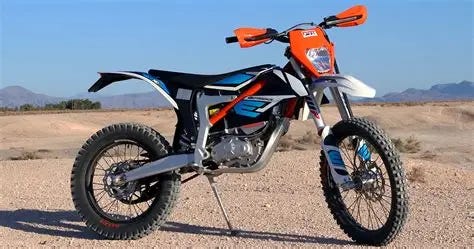
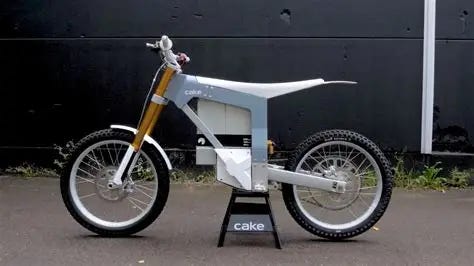
Brands such as KTM (Freeride E‑XC), Sur‑Ron (Light Bee X, Ultra Bee), Talaria (Sting R), Cake (Kalk OR, Kalk INK), Zero Motorcycles (FX, FXE), and Electric Motion (EM Escape, EM Trials) have established themselves as leaders in electric off‑road performance.
Electric bikes deliver instant torque, quiet operation, minimal maintenance, and a unique riding feel that many trail riders and trials competitors appreciate. The Sur‑Ron Light Bee X and Talaria Sting R have become cult favorites for urban riders and trail explorers due to their lightweight frames, punchy acceleration, and mod‑friendly platforms.
Electric Motion dominates the electric trials segment, with riders praising the EM Escape and EM Trials for balance, throttle precision, and near‑silent operation that allows riding in noise‑restricted areas.
KTM’s Freeride E‑XC is widely respected for its premium build quality and true off‑road capability, though its limited range (1–2 hours of spirited riding) remains a constraint.
Zero’s FX offers more power and range but is heavier, making it better suited for dual‑sport use than tight technical trails. Rider feedback on electric off‑road bikes is generally positive: they are praised for torque, ease of use, and low maintenance, but criticized for limited range, long recharge times, and higher upfront cost. They are not yet a full replacement for gasoline enduro or motocross bikes in competitive environments, but they excel in recreational riding, trials, urban exploration, and short‑distance trail loops. As battery density improves, electric off‑road motorcycles are expected to become a major force in the industry.
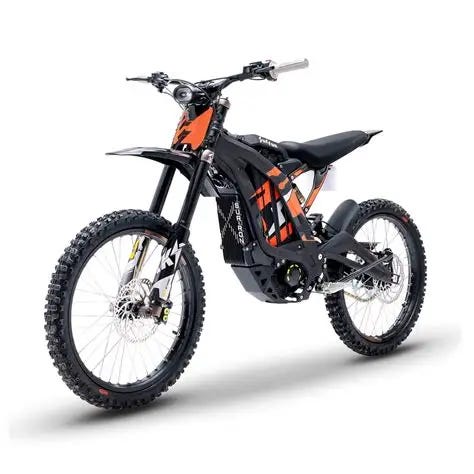
In summary, Chinese off‑road motorcycles offer affordability and accessibility but still trail behind mainstream brands in refinement and long‑term durability, while electric off‑road motorcycles deliver cutting‑edge torque and low maintenance with range limitations that continue to improve each year. Both segments are growing rapidly, driven by new riders entering the sport and a global shift toward alternative mobility solutions.